Abstract
Bleu Dentistry, a single-location private practice in Dallas, TX, faced a persistent revenue leak: 836 patients with overdue hygiene, lapsed recare, or unscheduled treatment plans representing over $2.5M in unrealized production. Manual front-desk outreach could not keep pace with the volume.
By deploying Operaitor's autonomous recall engine—integrated directly with the practice management system—the practice recovered $16,000 in net-new production within 30 days, reclaimed 45+ hours of staff time, and achieved a 12x return on investment.
Background
Patient attrition is one of the most persistent and under-addressed problems in dentistry. According to the American Dental Association, the average dental practice retains only 41% of new patients—a statistic that has remained stubbornly consistent despite advances in clinical care.
The systems designed to combat this—ASAP lists, recall lists, and reactivation workflows built into practice management software—are largely unchanged from a decade ago. Most offices rely on static, manually maintained lists that go stale within weeks. Front-desk staff are expected to work through hundreds of names by phone, but in practice these lists are deprioritized in favor of same-day patient needs. The result: a growing pool of overdue patients that no one has time to contact, and a recall system that exists in name only.
This gap between “patients on the list” and “patients in the chair” represents the single largest source of preventable revenue loss for most practices. The question is whether automation can close it.
Hypothesis
“We hypothesized that deploying an autonomous AI layer to scan practice management data for overdue patients and unscheduled treatment would increase chair utilization and recovered production by a measurable margin compared to manual front-desk monitoring alone.”
Methodology
Operaitor was integrated with the practice's PMS over a 30-day trial period. The system scanned the full patient database to identify overdue hygiene, lapsed recare, and unscheduled treatment—then autonomously initiated personalized SMS outreach.
Integration
Open Dental
Duration
30 Days
Practice Type
Single-Location GP
Four campaign cohorts were defined: Hygiene Recall, Perio Maintenance, Reactivation, and Unscheduled Treatment. Outreach timing was optimized to avoid local commute windows and business hours to maximize response rates.
How It Works

Step 1 — Identify
Operaitor syncs with Open Dental and surfaces all overdue patients, segmented by campaign type and sorted by revenue opportunity.

Step 2 — Approve
The team reviews AI-recommended patients and approves the outreach list. Adjustments can be made before any messages are sent.

Step 3 — Converse & Book
Operaitor sends personalized SMS, handles patient questions in real-time, and books the appointment—no staff calls needed.
Intervention Design — How Operaitor Differs
Most recall systems on the market today are semi-automated at best: they send a single outbound message—often a generic “Reply Y to confirm” text—and stop there. Any patient who doesn't respond on the first attempt falls back into the manual queue, where staff must chase them down by phone.
Typical Recall System
- •Sends a single blast message or “Reply Y” confirmation
- •No follow-up if patient doesn't respond
- •Staff must manually call non-responders
- •No intelligence on who to prioritize
Operaitor (Fully Autonomous)
- •Recommends which patients to contact—team approves or adjusts
- •Converses naturally with the patient over SMS, handling objections and questions
- •Books appointments autonomously—staff only step in if requested by the patient or triggered by custom office parameters
The distinction is end-to-end autonomy. Operaitor doesn't just notify—it identifies, recommends, converses, and books. The doctor or team retains approval authority over who gets contacted, but the system handles every step from outreach to confirmed appointment.
Results
I. Discovery — Revenue at Risk
Upon integration, the system identified 836 eligible patients with a combined opportunity value of $2,544,990. The majority of this value was concentrated in unscheduled treatment plans.
| Cohort | n | Opportunity ($) |
|---|---|---|
| Hygiene Recall | 253 | $37,950 |
| Reactivation | 251 | $75,300 |
| Unscheduled Treatment | 324 | $2,430,140 |
| Total | 836* | $2,544,990 |
*Some patients appear in multiple cohorts. Perio Maintenance cohort (n=8) excluded from table for brevity.
II. Conversion — 30-Day Production Impact
Before Operaitor
$0
recovered from overdue patients
After Operaitor
$16,000
net-new production in 30 days
The AI contacted overdue patients via personalized SMS with click-to-book scheduling links. Staff intervention was limited to confirming appointments that patients self-scheduled—no outbound calls were required.
III. Outreach Funnel — Engagement Breakdown
Of the 836 eligible patients, the team approved 412 for the initial 30-day outreach wave. The following funnel tracks each patient from first contact to confirmed appointment.
| Metric | Count | Rate | Notes |
|---|---|---|---|
| Patients Contacted | 412 | — | Team-approved outreach wave |
| Messages Delivered | 379 | 92% | 33 unreachable / invalid numbers |
| Patients Responded | 168 | 41% | Any reply to AI outreach |
| Multi-Turn Conversations | 114 | 28% | 2+ message exchanges with AI |
| Appointments Booked | 72 | 17% | Self-scheduled, no staff calls |
| Avg. Production per Booking | $222 | ||
Notably, the 41% response rate far exceeds the industry average of 8–12% for recall outreach. The AI's ability to hold multi-turn conversations—answering questions about insurance, pricing, and availability—converted an additional 42 patients who would have dropped off after a single “Reply Y” prompt.
Discussion
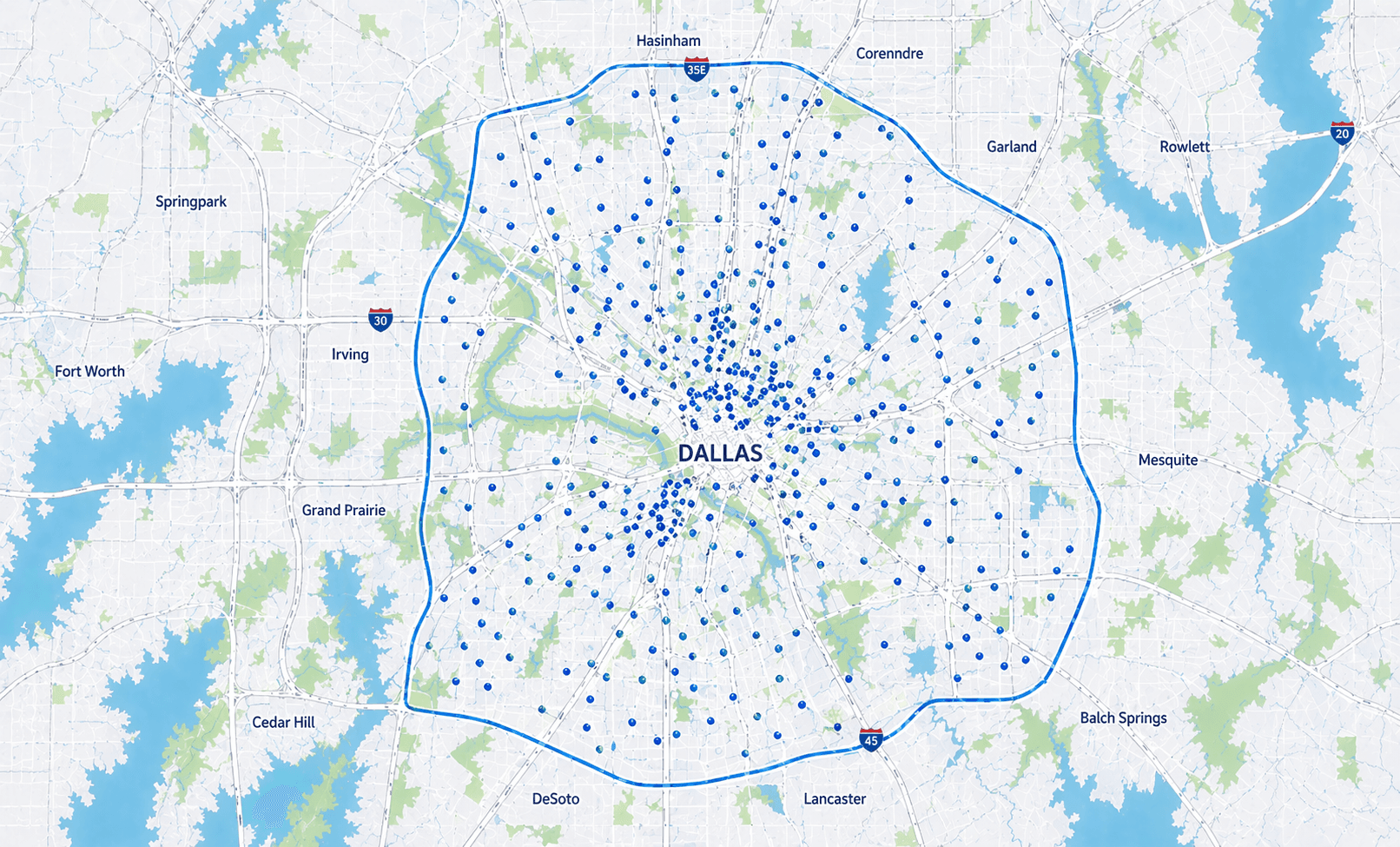
The results support the hypothesis. The autonomous recall system outperformed manual front-desk monitoring across every measured dimension: discovery volume, contact rate, and conversion speed.
Three factors drove the outsized impact in this market:
- Speed-to-lead advantage. In Dallas's saturated market, the practice that reaches the patient first captures the appointment. Automated, timing-optimized SMS ensured Bleu Dentistry contacted patients before competitor marketing could intervene.
- Invisible inventory. The AI surfaced 836 patients that staff had no bandwidth to manually audit—a “hidden inventory” invisible to traditional workflow.
- Zero-friction booking. Click-to-book links eliminated the call-back loop, converting intent to confirmed appointments in a single interaction.
Conclusion
A 30-day deployment of Operaitor's autonomous recall engine at a single-location Dallas practice produced $16,000 in recovered production, a 12x ROI, and reclaimed 45+ hours of staff labor. The $2.5M pipeline identified on day one continues to convert.
For practices operating in competitive urban markets, AI-driven recall represents a shift from reactive, manual follow-up to proactive, data-driven revenue capture.
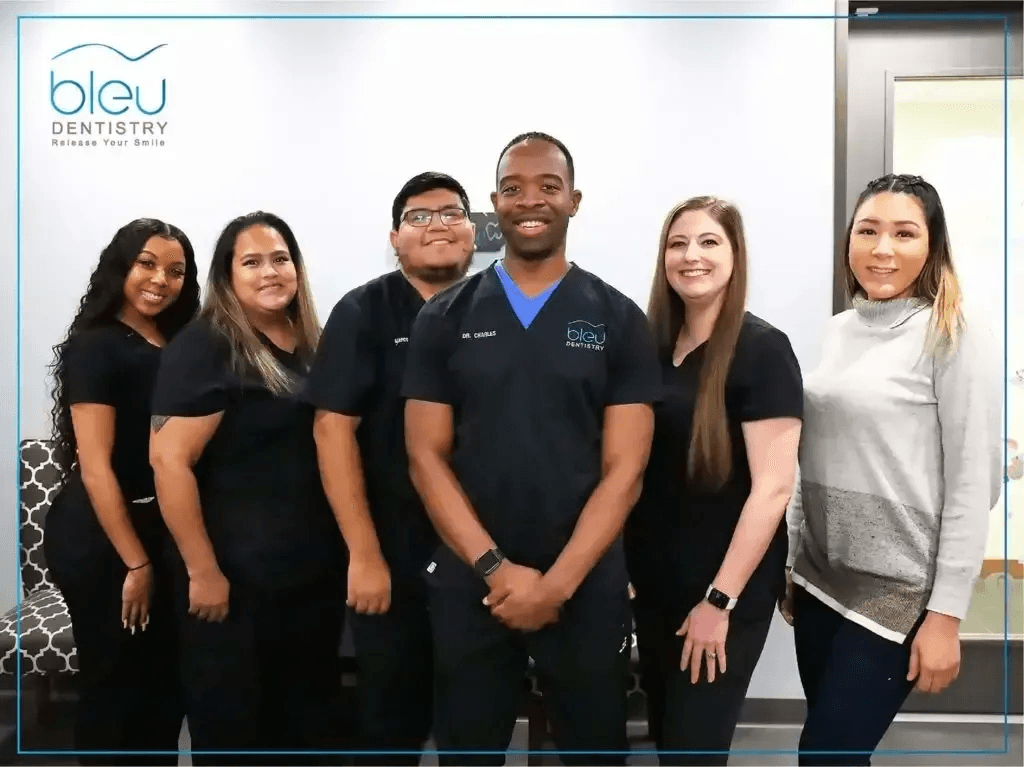
“Seeing that $2.5 million number was a wake-up call. Operaitor didn't just give us a tool; it gave us a roadmap to capture revenue we didn't even realize we were losing.”